Restoration of Dominion: From Adam to the Saints
The biblical teaching that the saints will judge the world is not an isolated doctrine. It belongs to a much larger biblical narrative concerning the restoration of dominion, covenant authority, righteous judgment, and the ultimate union of Messiah with His people. From Genesis to Revelation, Scripture presents a consistent theme: humanity was created to rule under God, that calling was corrupted through sin, and through Yeshua the Messiah it is ultimately restored to those who belong to Him.
Genesis 1:26–28 establishes humanity’s original purpose within creation. God declared, “Let us make man in our image,” and commanded humanity to exercise dominion over the earth. Adam and Eve were not created merely to inhabit the earth. They were created as God’s image-bearers, entrusted with the responsibility of ruling, cultivating, protecting, and stewarding creation according to His will.
Sin radically disrupted that calling. Humanity’s rebellion brought corruption, death, and separation from God into the world. The dominion humanity was supposed to exercise under God’s authority became distorted, and Scripture describes Satan as “the god of this world” who blinds the minds of unbelievers (2 Corinthians 4:4). Human beings continued to exercise authority, but no longer in the fullness of the righteous relationship with God for which they had been created.
The New Testament presents Yeshua as the one who restores what was lost through Adam. Romans 5:17 declares that those who receive the abundance of grace and the gift of righteousness “will reign in life through the one man Yeshua the Messiah.” Paul also identifies Messiah as the “Last Adam” in 1 Corinthians 15:45, showing that Yeshua succeeds where the first Adam failed.
This restored dominion reaches its fulfillment in the Kingdom of God. Revelation 5:10 describes the redeemed as a kingdom and priests who “shall reign on the earth.” The saints therefore do not reclaim dominion through human strength, political ambition, military power, or fleshly authority. They reign because they are united with Messiah, and their authority is exercised under His kingship.
The Covenant Role of Judges
Judgment in Scripture is much broader than the modern image of a courtroom. In ancient Israel, judges functioned as covenant representatives who were responsible for defending righteousness, correcting injustice, protecting the vulnerable, and applying God’s revealed standards to the life of the community.
The book of Judges describes how God repeatedly raised up judges to deliver Israel when the nation was oppressed. Judges 2:16 says that the LORD raised up judges who saved the people from those who plundered them. Although the historical judges often functioned as deliverers and leaders, the broader biblical concept of judgment remained inseparable from covenant faithfulness and justice.
Deuteronomy 16:18–20 commanded Israel to appoint judges who would judge the people with righteous judgment. They were forbidden from distorting justice, showing partiality, or accepting bribes. Instead, they were instructed to pursue justice faithfully. Biblical judgment was therefore intended to reflect the character of God rather than the personal preferences of the judge.
This background helps explain the New Testament teaching that the saints will participate in judgment. Their future authority should not be understood as arbitrary power. It is participation in Messiah’s righteous government. Those who judge with Him will do so under the authority of the King and according to His standards of truth, righteousness, mercy, and justice.
Isaiah 1:26 gives a prophetic picture of restored righteous government: “I will restore your judges as at the first, and your counselors as at the beginning. Afterward you shall be called the city of righteousness.” The restoration of righteous judges is connected with the restoration of a righteous community. This prophetic pattern helps illuminate the promise that Messiah’s people will eventually participate with Him in the righteous administration of His Kingdom.
The Bride of Messiah Shares in His Rule
The biblical picture of the saints cannot be separated from the imagery of the Bride of Messiah. Revelation 19:7–8 announces the marriage of the Lamb and declares that His Bride has made herself ready. The Bride represents a people prepared for covenant union with the Messiah and clothed in righteousness.
This Bride includes the faithful people of God brought into covenant relationship through Messiah. Romans 11 uses the imagery of an olive tree to describe Gentile believers as being grafted into the covenantal promises associated with Israel. The result is not the creation of an independent Gentile people disconnected from Israel, but participation in the promises and covenant blessings rooted in God’s redemptive purposes.
Marriage imagery communicates intimacy, covenant loyalty, shared purpose, and identity. Therefore, when Revelation describes the saints reigning with Messiah, their authority should be understood as flowing from their relationship with the Bridegroom King. Revelation 20:6 declares that those who belong to the first resurrection “shall be priests of God and of Messiah, and shall reign with him.”
The Bride does not compete with the King for authority. She shares in His purposes because she belongs to Him. Her authority is derived authority. Messiah remains the King, while His redeemed people participate in the administration of His Kingdom.
The story of Esther provides an interesting biblical picture of covenantal intercession and shared royal authority. Esther did not replace the king, yet her relationship with the king gave her access and influence that she used on behalf of her people. In a much greater sense, the Bride of Messiah is brought into covenant relationship with the King and participates in His righteous purposes.
The Legal Framework of the Kingdom
The Kingdom of Messiah is not founded upon human opinion. Scripture consistently presents God’s instruction as the standard by which righteousness and justice are defined. The Torah provided Israel with a covenantal framework for understanding justice, mercy, holiness, worship, community responsibility, and the proper exercise of authority.
Jewish legal tradition also reflects centuries of discussion concerning how righteous judgment should be carried out within the covenant community. The Talmud contains extensive debates regarding judges, witnesses, evidence, restitution, responsibility, and the administration of justice. These traditions can provide historical insight into Jewish thinking about law and judgment, although they should not be confused with the authority of the written Scriptures themselves.
The prophetic promise of the New Covenant points toward a time when God’s instruction will no longer merely confront humanity externally but will be internalized within His people. Jeremiah 31:33 declares, “I will put my Torah within them, and I will write it on their hearts.” The goal is not lawlessness but transformed obedience flowing from a renewed heart.
For a deeper examination of Yeshua’s relationship to Torah and covenant obedience: Read Yeshua: Torah Fulfilled? for a focused study of Matthew 5:17, the Father’s authority, and what it means for Messiah to fulfill rather than abolish Torah.
This provides an important framework for understanding the saints judging with Messiah. They will not invent their own standards of righteousness or govern according to human philosophy. Their judgment will reflect the character, wisdom, justice, and instruction of the King whom they serve.
The saints therefore do not become independent lawmakers competing with Messiah. They become faithful administrators under His authority. Their ability to judge righteously flows from their transformation, their covenant relationship with Him, and the internal work of God within them.
From Lost Dominion to Restored Kingdom Authority
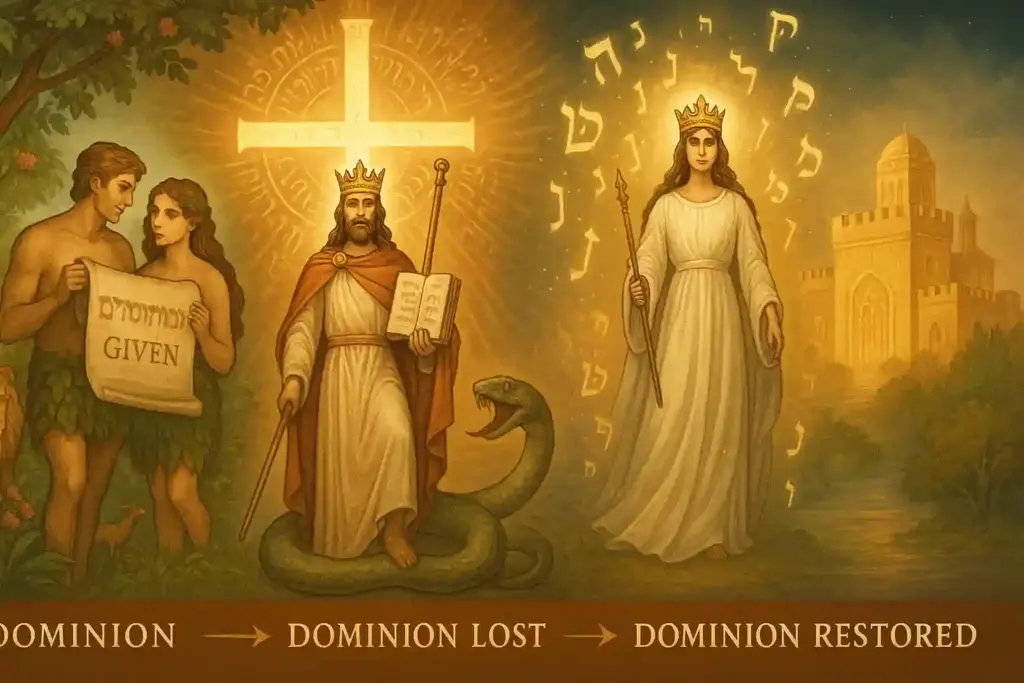
The biblical story begins with humanity receiving dominion and ends with redeemed humanity reigning under the authority of Messiah. Adam was given dominion, but sin corrupted humanity’s ability to fulfill that calling. Yeshua, the Last Adam, restores what was lost and establishes the righteous Kingdom that humanity could never establish apart from Him.
Judgment also follows this pattern of restoration. Throughout Israel’s history, judges, prophets, priests, and kings were called to uphold God’s standards, although they frequently failed. Yeshua perfectly demonstrates righteous judgment because He judges according to the will and character of the Father. In the Kingdom to come, the saints will participate in that righteous administration under His authority.
The imagery of the Bride brings these themes together. Israel is repeatedly portrayed in the prophets through marriage and covenant imagery, sometimes as an unfaithful bride who broke covenant with God. The redemptive story moves toward restoration, purification, and covenant faithfulness. Revelation concludes with the Bride prepared for the Lamb and sharing in the reign of Messiah.
Dominion, judgment, covenant, and marriage therefore belong to one unfolding biblical story. Humanity was created to represent God’s rule upon the earth. Sin corrupted that calling, but Messiah restores it. The redeemed are transformed into a kingdom of priests who live under His authority and ultimately participate in His righteous government.
The Saints Will Judge the World
Paul makes this future responsibility explicit in 1 Corinthians 6:2 when he asks, “Do you not know that the saints will judge the world?” His statement assumes that the Corinthian believers should already understand that participation in Messiah’s Kingdom includes responsibility and judgment.
Paul’s purpose in that passage is practical as well as prophetic. He rebukes believers who were unable to resolve disputes among themselves while claiming to belong to a people destined to participate in the judgment of the world. Future Kingdom responsibility should produce present spiritual maturity.
If the saints are destined to participate in Messiah’s righteous administration, then believers should already be learning the qualities necessary for righteous judgment. Wisdom, humility, impartiality, mercy, discernment, obedience, and faithfulness are not merely characteristics needed in the future Kingdom. They are qualities that should increasingly characterize the people of God now.
The promise that the saints will judge the world is therefore not an invitation to arrogance. It is a call to preparation. Those who will one day participate in Messiah’s righteous government must first learn to submit themselves completely to the government of Messiah.
Conclusion
The judgment of the saints is part of the restoration of God’s original purpose for humanity. Adam was created to exercise dominion under God, but sin corrupted that calling. Israel was given covenant instruction and institutions of righteous judgment, yet human weakness repeatedly demonstrated the need for something greater. Yeshua came as the Last Adam, the righteous King, and the faithful covenant representative who restores what humanity lost.
Through union with Messiah, His people become heirs of the Kingdom, members of His covenant community, His Bride, and a royal priesthood. Their future authority does not exist independently from Him. They reign because He reigns, they judge because He is the righteous Judge, and they exercise authority because they have been brought into covenant relationship with the King.
The saints judging the world is therefore not a picture of redeemed humanity exercising arbitrary power. It is the fulfillment of God’s purpose to establish righteous rule upon the earth through Messiah and a people completely submitted to Him. What Adam failed to accomplish through disobedience, Yeshua accomplishes through perfect obedience, and those who belong to Him are invited to participate in the restoration of a Kingdom characterized by righteousness, justice, peace, and divine order.
Discover more from Rickey A. McElderry
Subscribe to get the latest posts sent to your email.